Labelwith care
LabelQuill is where people train, qualify and do the careful human work AI depends on: boxing images, sorting text and judging model answers.
Development preview. Training and practice tasks are open; paid projects are not.
A box is right when it’s tight
Image tasks ask for one box per object, drawn edge to edge. Each box is scored by how much it overlaps the reference answer, and below 50% it fails.
The same check runs in training, in the General Qualification and on practice tasks, where each project sets its own threshold. When a box misses, the feedback names the edges that were off.
 Loose: 21% overlap, failsTight: 74% overlap, passes
Try the work
Four sample questions in the formats LabelQuill training uses. They were written for this page, not taken from the qualification, and nothing you do here is saved.
Training module four of four
Draw a tight box around each object the task names, and label it.
Draw one box around the licence plate. Label: plate.
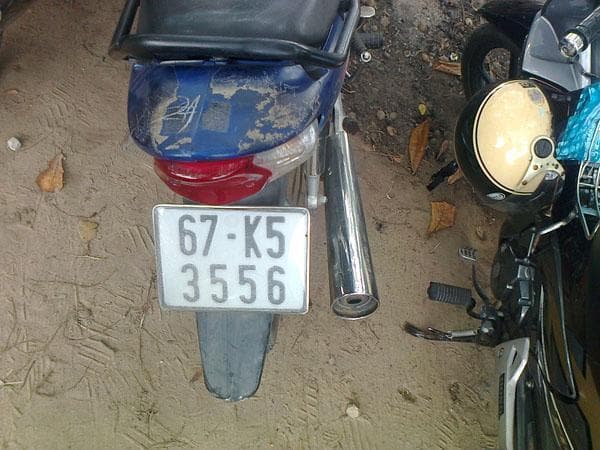
Drag across the photo. With a keyboard, arrow keys move the box and Shift with an arrow resizes it.
Scored with the same overlap function the qualification uses.
How joining works
First, make an account.
Your dashboard opens right away. The application lives inside it and saves each step, so you can finish it over more than one sitting.
Then learn the work.
Four short modules, in order: text classification, response evaluation, pairwise comparison and image annotation. Each mixes lessons with practice questions.
Practise on sample tasks.
Finishing training opens the practice marketplace: synthetic tasks checked by the same rules as real ones, with simulated balances.
Qualify for projects.
The General Qualification is thirty minutes and ten questions, with 80% to pass and three attempts. Paid projects would also need an approved application, identity checks and a signed agreement. None are open yet.

What applying asks
Five short sections, saved as you go. It does not ask for ID documents, government numbers or payment details.
- Profile
- Your name, your verified email, and your country and state.
- Education
- School, field of study and level. Graduation year is optional.
- Skills
- English proficiency, other languages, computer skills, annotation experience and how well you know AI tools.
- Availability
- Hours you would like each week, your time zone and the schedule you prefer.
- Review
- Check everything and submit. You can withdraw the application later.
How work is checked
Structure. Gold answer. Box overlap. Review. Ledger.
Every submission passes these in order. Structure, the gold answer and box overlap are checked automatically. A reviewer then accepts the work, rejects it or sends it back for a revision, and the decision goes into an append-only ledger.
| Check | Result | Status |
|---|---|---|
| Structure | One box, labelled plate, inside the image | Passed |
| Gold answer | Label matches the reference | Passed |
| Box overlap | 0.81 against a 0.50 threshold | Passed |
| Review | Accepted by a reviewer | Accepted |
| Ledger | Practice entry recorded, no payout | Recorded |
What’s open today
LabelQuill is a development preview. We would rather say so plainly than let an application read like a job offer.
Submitting an application, or having it approved, does not guarantee employment, pay or access to tasks. Any future pay would have to be set out in a written agreement, tied to a real project, before that work begins.
Open now
- Account and dashboardAvailable as soon as you registerOpen
- ApplicationFive sections, saved as draftsOpen
- TrainingFour modules with practice questionsOpen
- General Qualification30 minutes, 80% to pass, three attemptsOpen
- Practice tasksSynthetic data, balances are simulatedOpen
Not open yet
- Paid projectsNo client projects are liveNot yet
- PayoutsNo money is moved to banks or cardsNot yet
- Identity verificationOnly a practice version existsNot yet
Before you apply
Is this paid work?
Not yet. No paid projects are open. Practice tasks use synthetic data, and their balances are simulated and cannot be paid out.
Who can apply?
The first projects are being designed around US-based applicants, with university students as an early focus. Final eligibility will depend on each project and on applicable law.
What do I need to start?
An email address and a password. The application itself asks about your education, skills and availability, not for ID documents or payment details.
Can I retake the qualification?
Yes. You have three attempts, with a short wait between them. Each attempt is 30 minutes and needs 80% to pass.
How is my work reviewed?
Automatic checks run first: structure, gold answers and, for image tasks, box overlap. A reviewer can then accept the work, reject it or ask for a revision, and every decision is recorded.
Who can see my information?
Only you and authorised administrators. Your account and application are stored in LabelQuill’s own database. The privacy policy is still a draft under legal review.